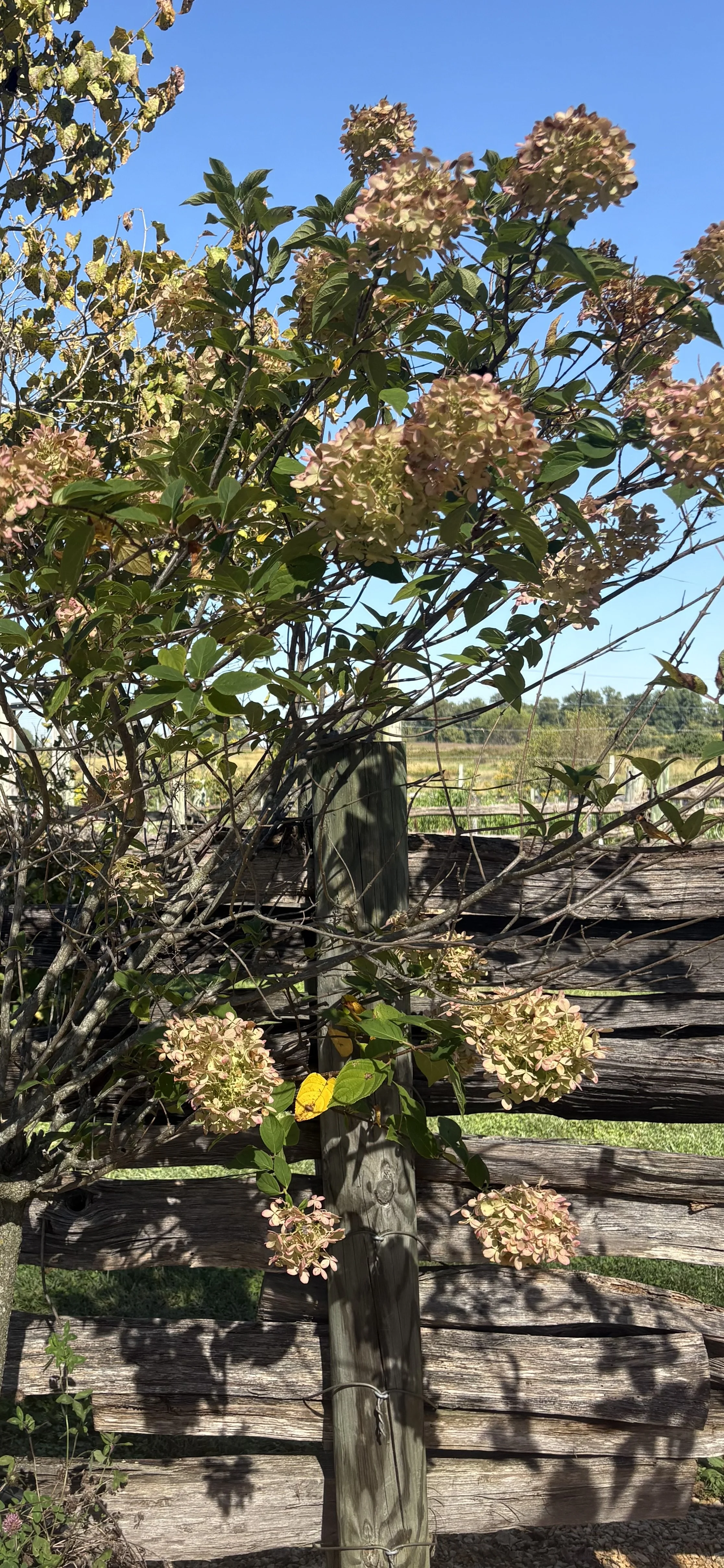
Last year, we shared our visit to the Oak Spring Garden Foundation and the story of Rachel "Bunny" Mellon's remarkable legacy. We loved it so much that when we heard about The Mellon Edit: A Special Plant Sale & Garden Viewing, we couldn't resist going back. This time, we came home with a notebook full of tips.
🌸 The Dahlia Garden
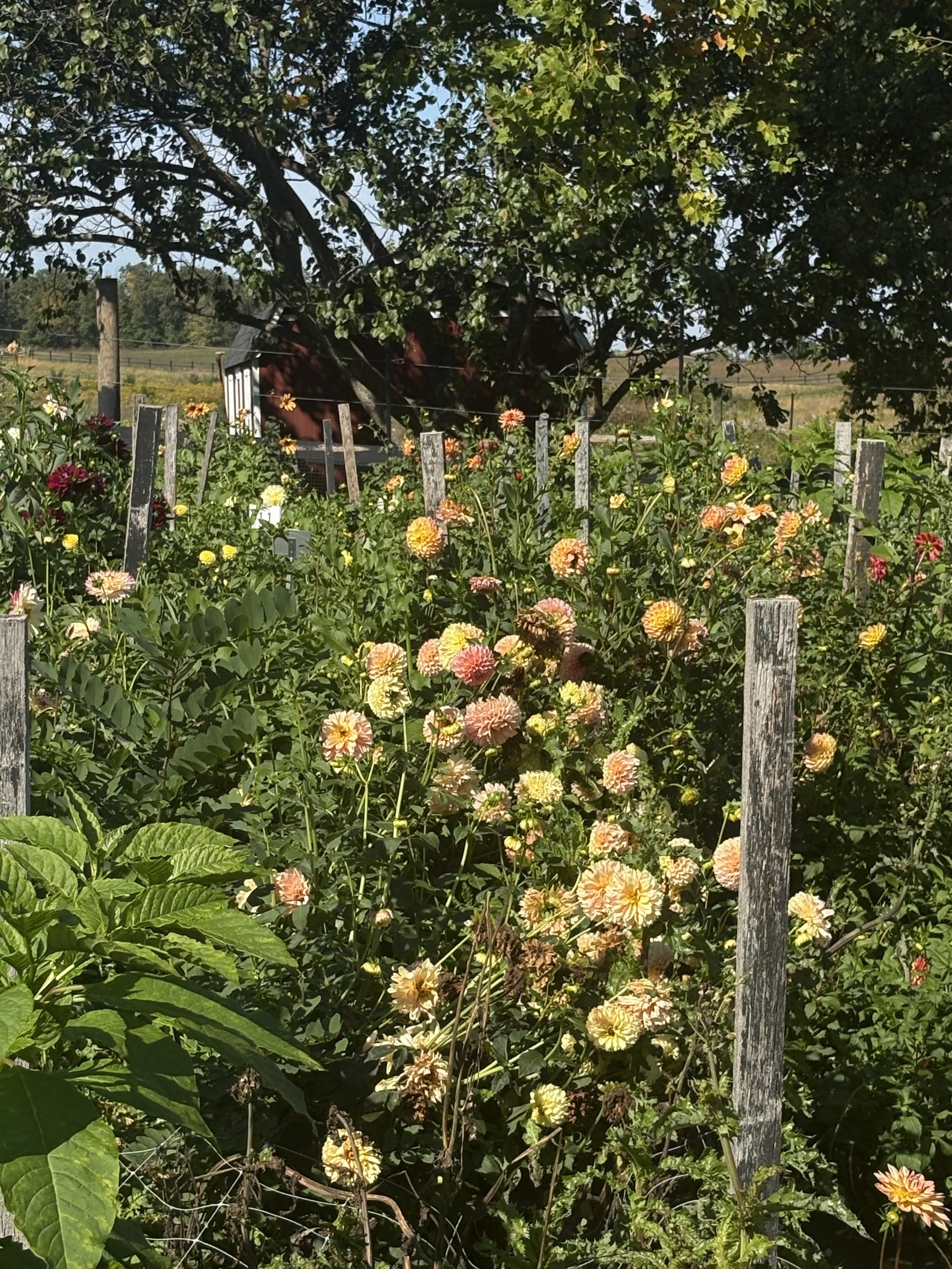
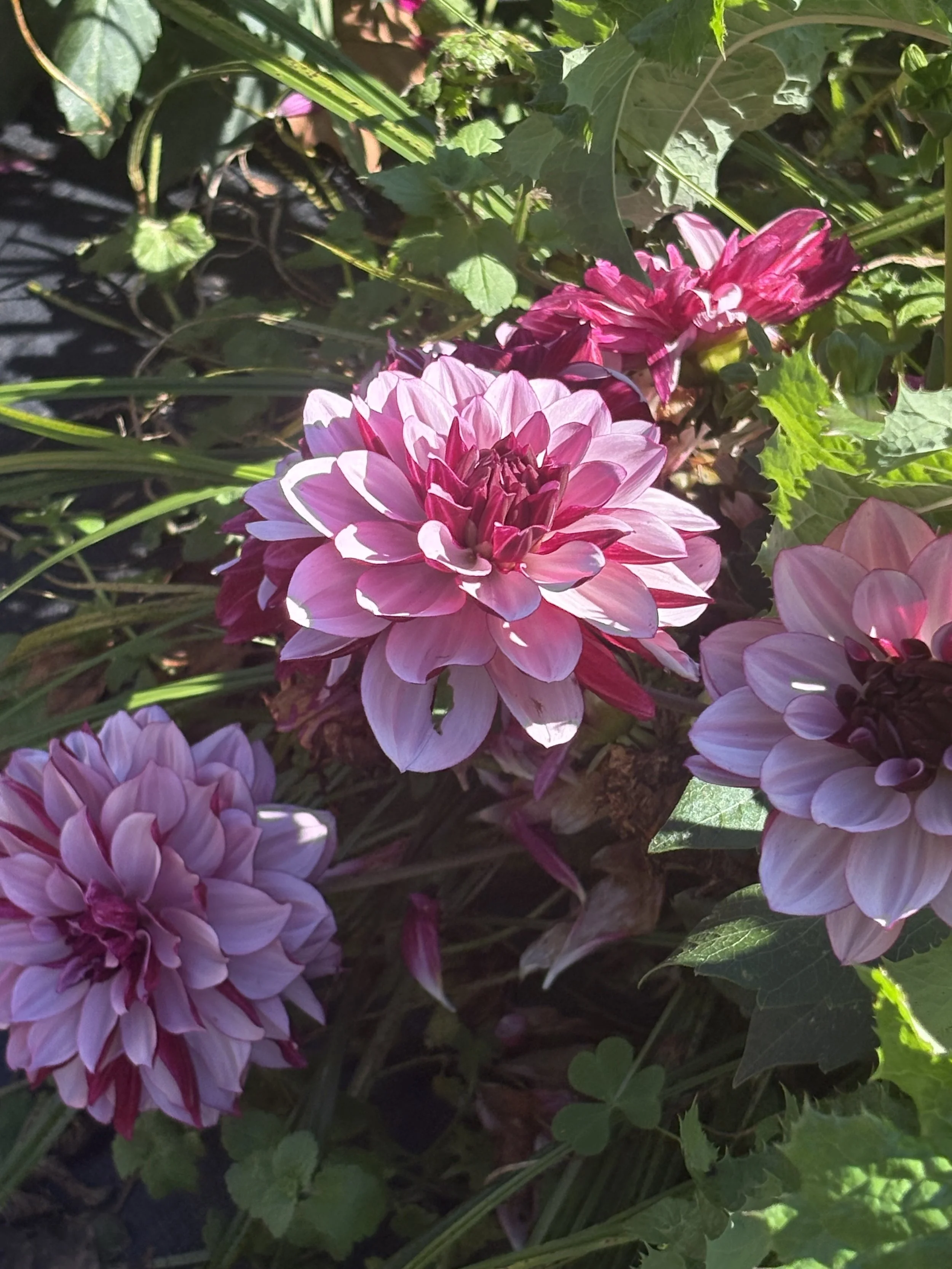
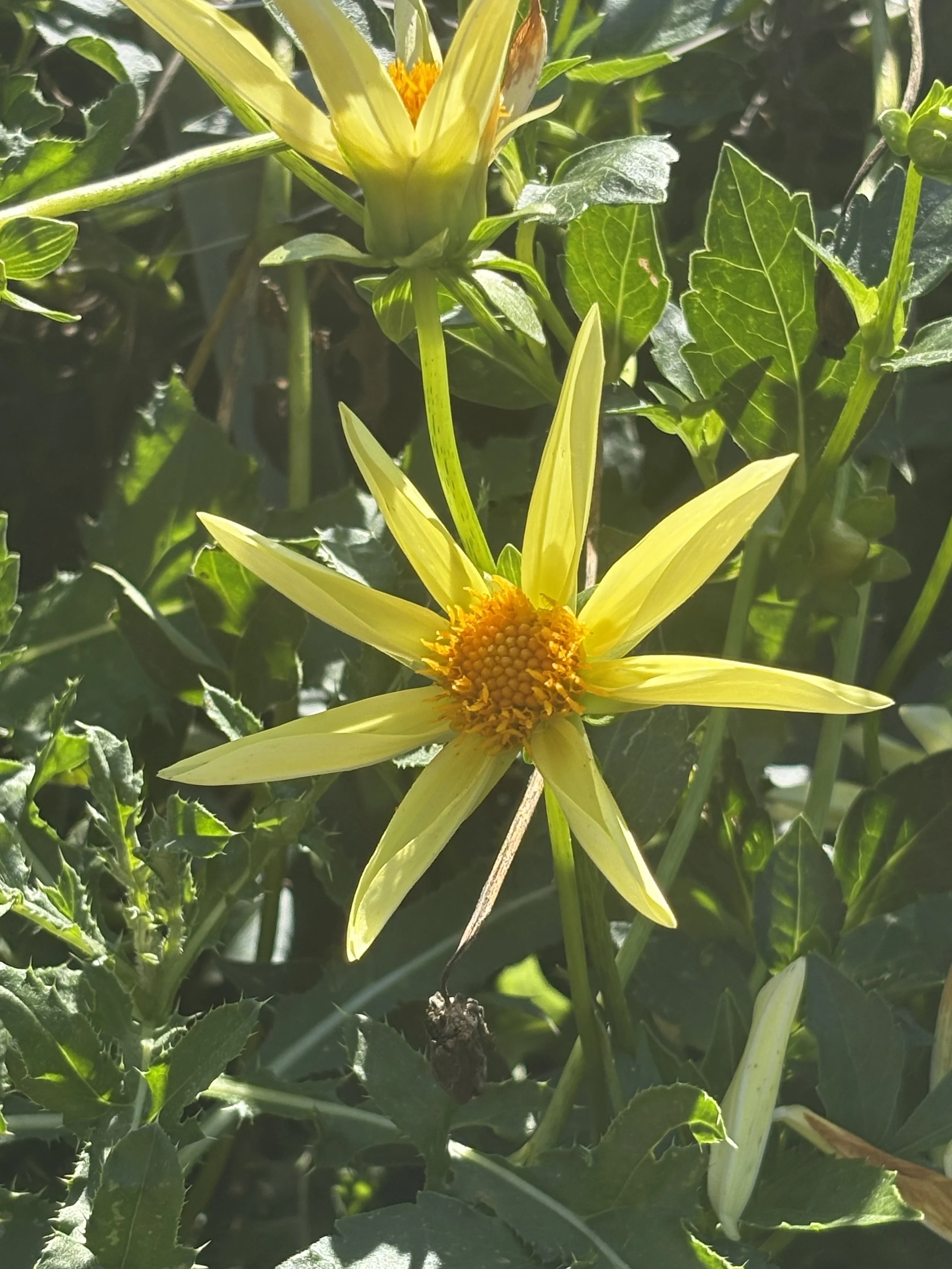
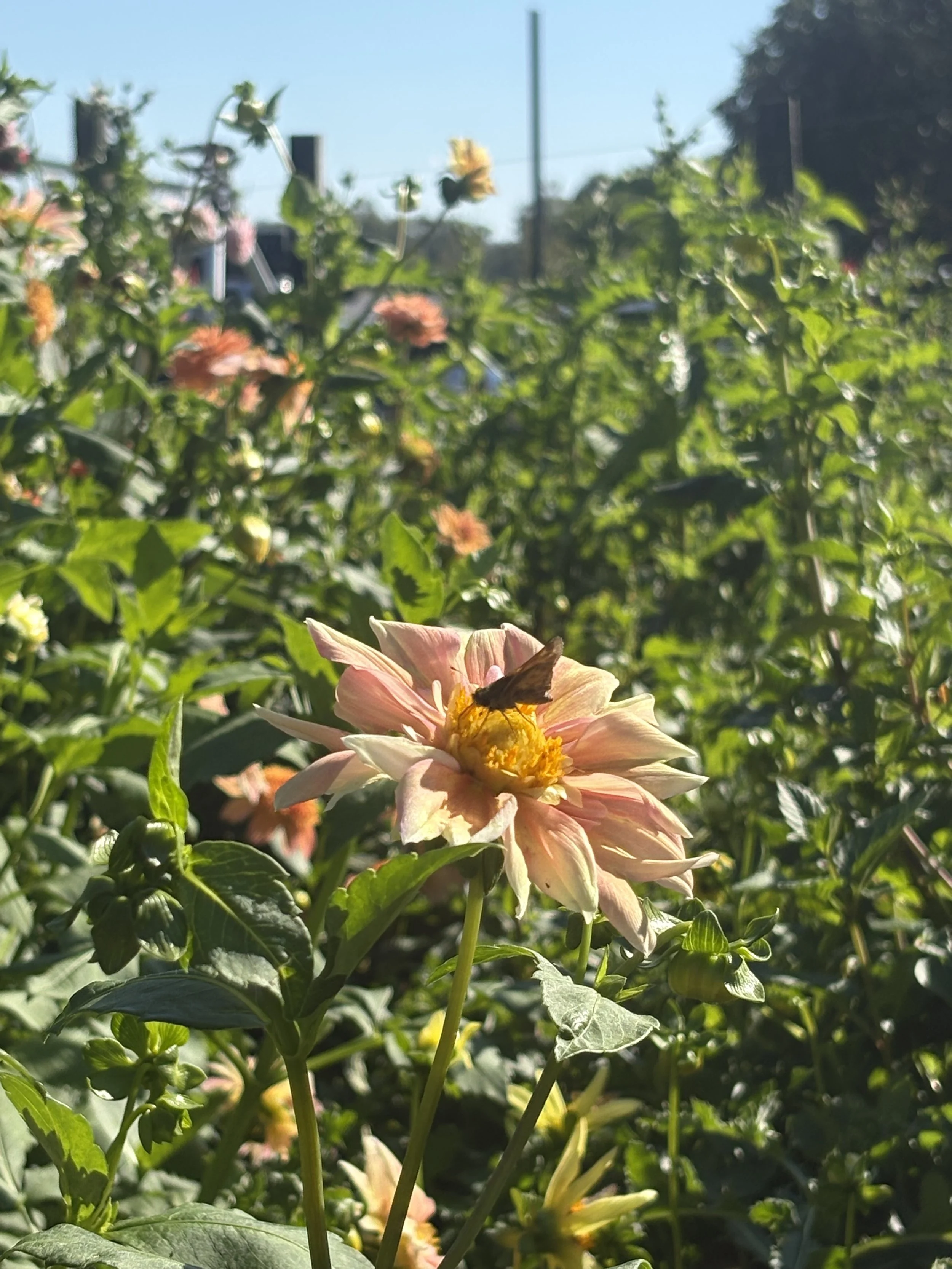
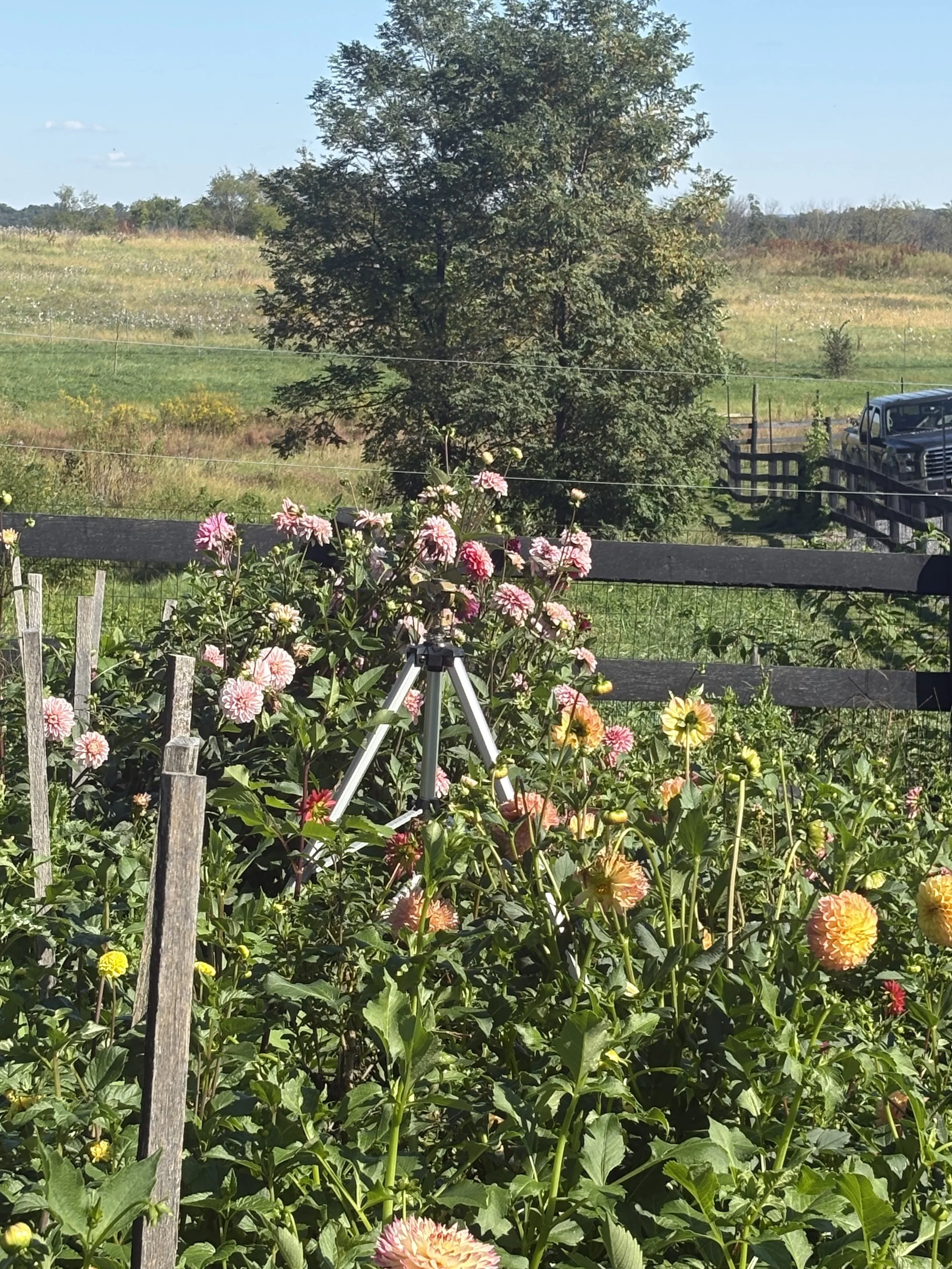
The dahlia garden was densely planted with close to two dozen varieties in shades of pink, red, yellow, orange, and white. It was a joyful sight, and a great reminder of how much variety this one plant can offer.
Our guide was the Oak Spring gardener who tends both the cut flower garden and the dahlias, and he shared what he's learned from the Foundation's trials with overwintering dahlias. Here's what we took away:
Planting depth matters. Dahlia tubers are typically planted about 6 inches deep. Plant them closer to 8 inches deep and you may be able to overwinter them in the ground and get an extra year. New tubers form at the top of the existing ones, so the clump slowly crawls toward the surface over time. A deeper start gives it more room to travel.
Watch for the signs. When you're watering in the summer, you may notice soil washing away and tubers emerging at the surface. That's your cue that this fall is the time to dig and divide.
How to divide. Dig up the root clumps after the first frost and wash off the dirt. Then, with clean, sharp shears, cut the clump into sections. Each section needs three things:
A tuber body
An unbroken neck
A visible eye on the crown
Two options after dividing:
Replant right away if it's a variety you know overwinters well, or one that has overwintered for you before.
Store them in a dark, cool place over the winter.
Stay tuned for variety results. Oak Spring is conducting overwintering trials this year, and once they're complete, the Foundation plans to share which varieties overwintered well. We'll be watching for that next year, and we'll pass along what we learn.
When to plant in spring. Wait until the threat of frost has passed and soil temperatures reach about 60 degrees. In zones 7a and 7b, that's usually early to mid May.
💐 The Cut Flower Garden
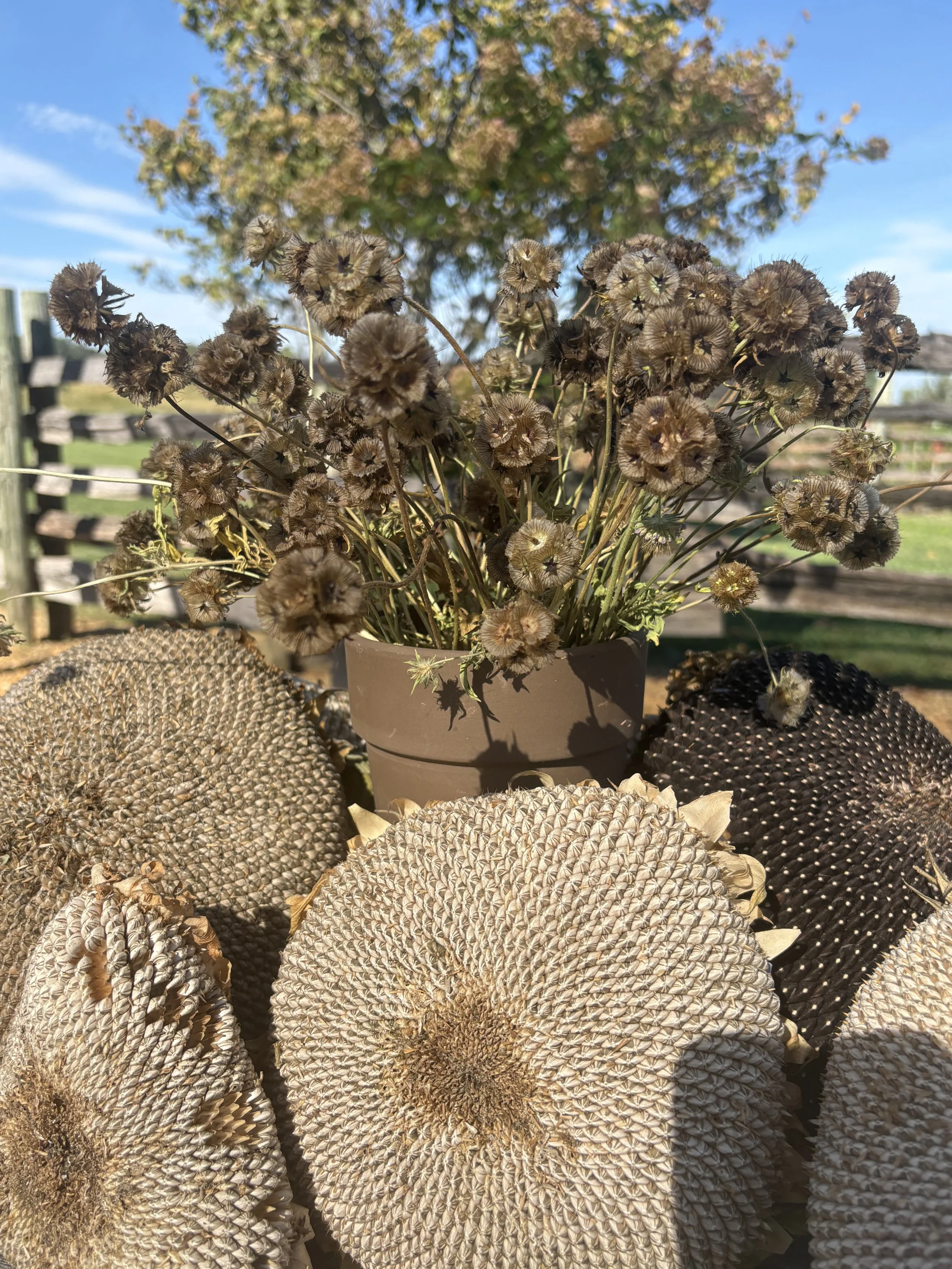
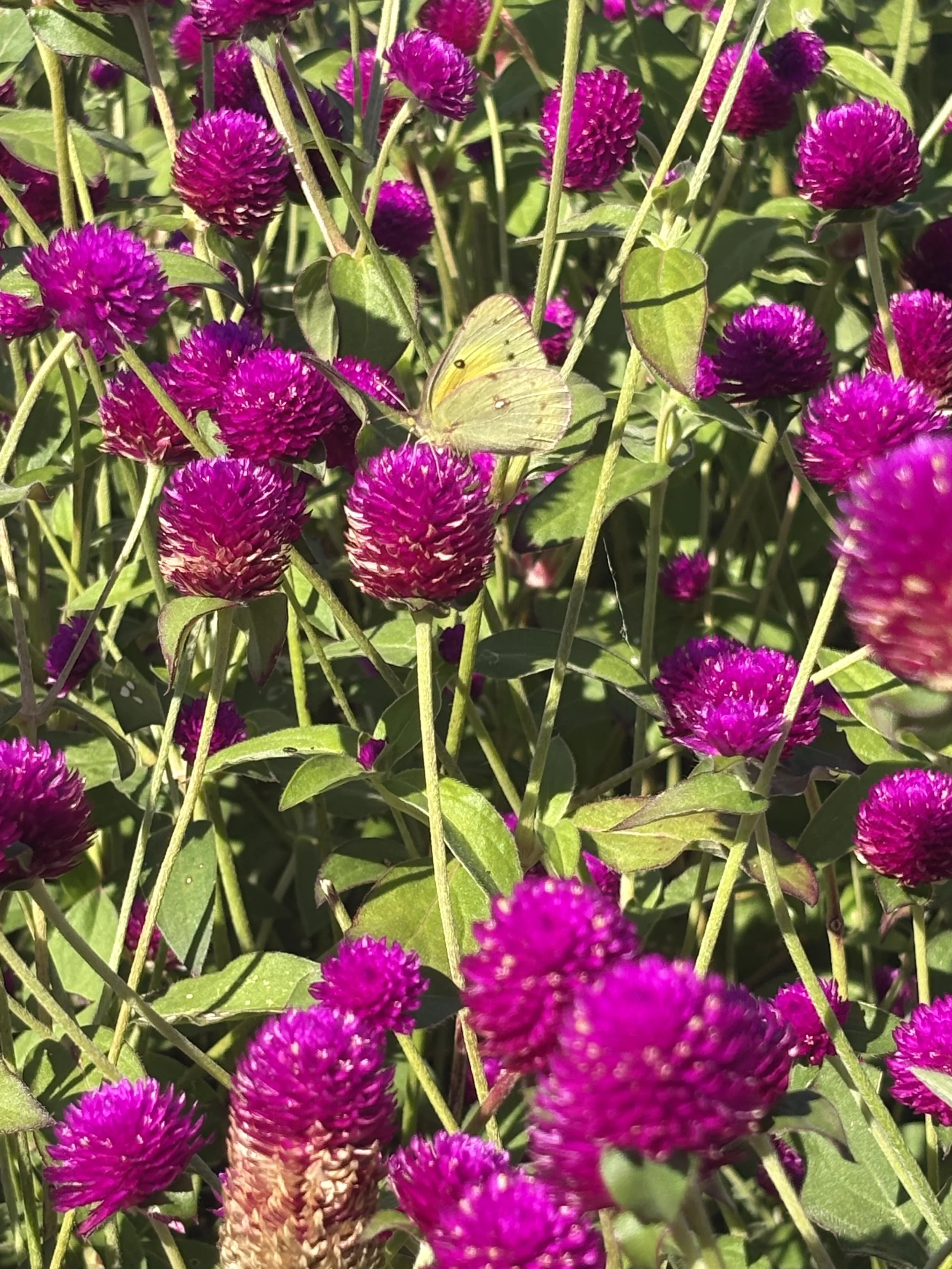
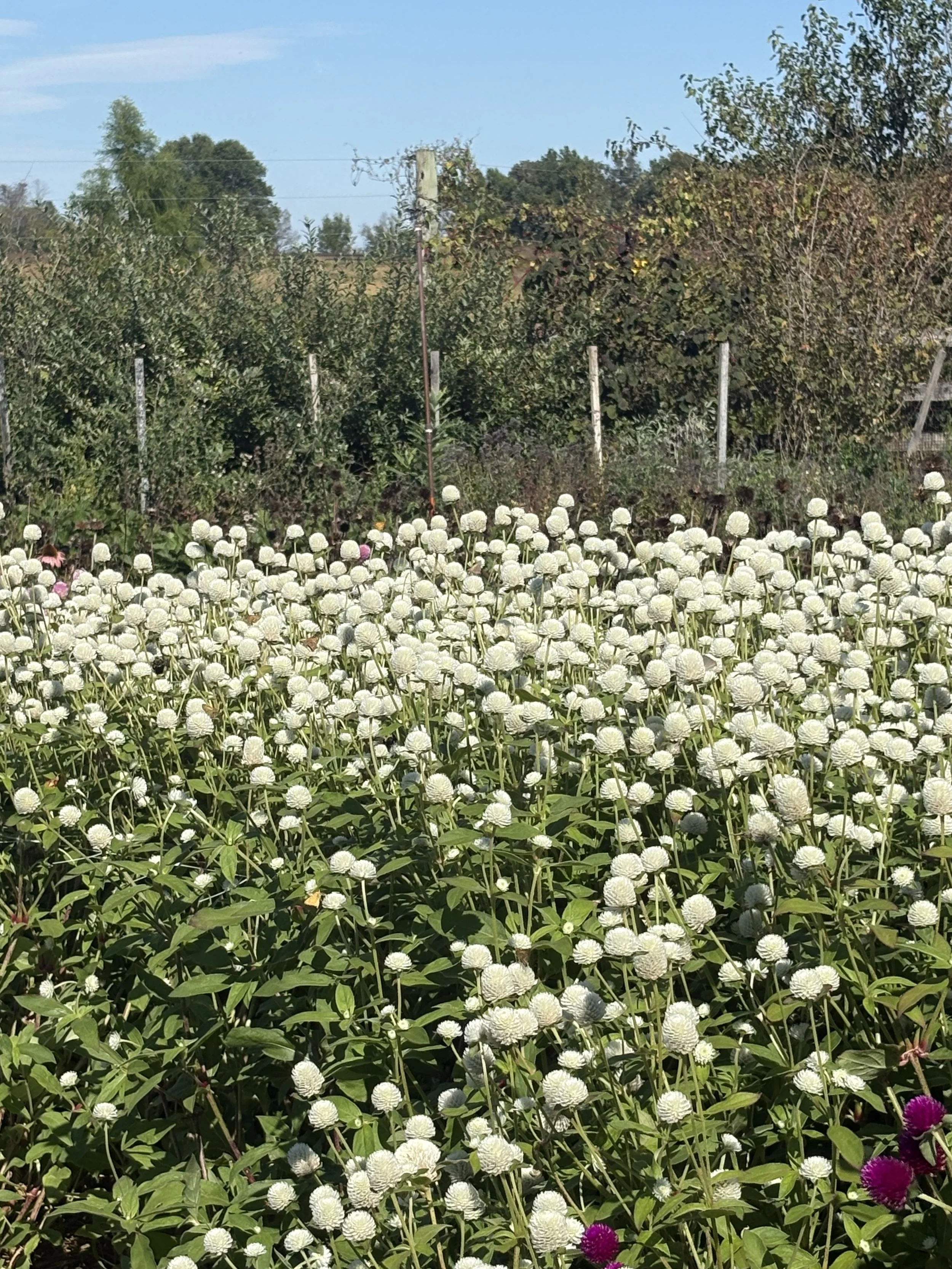
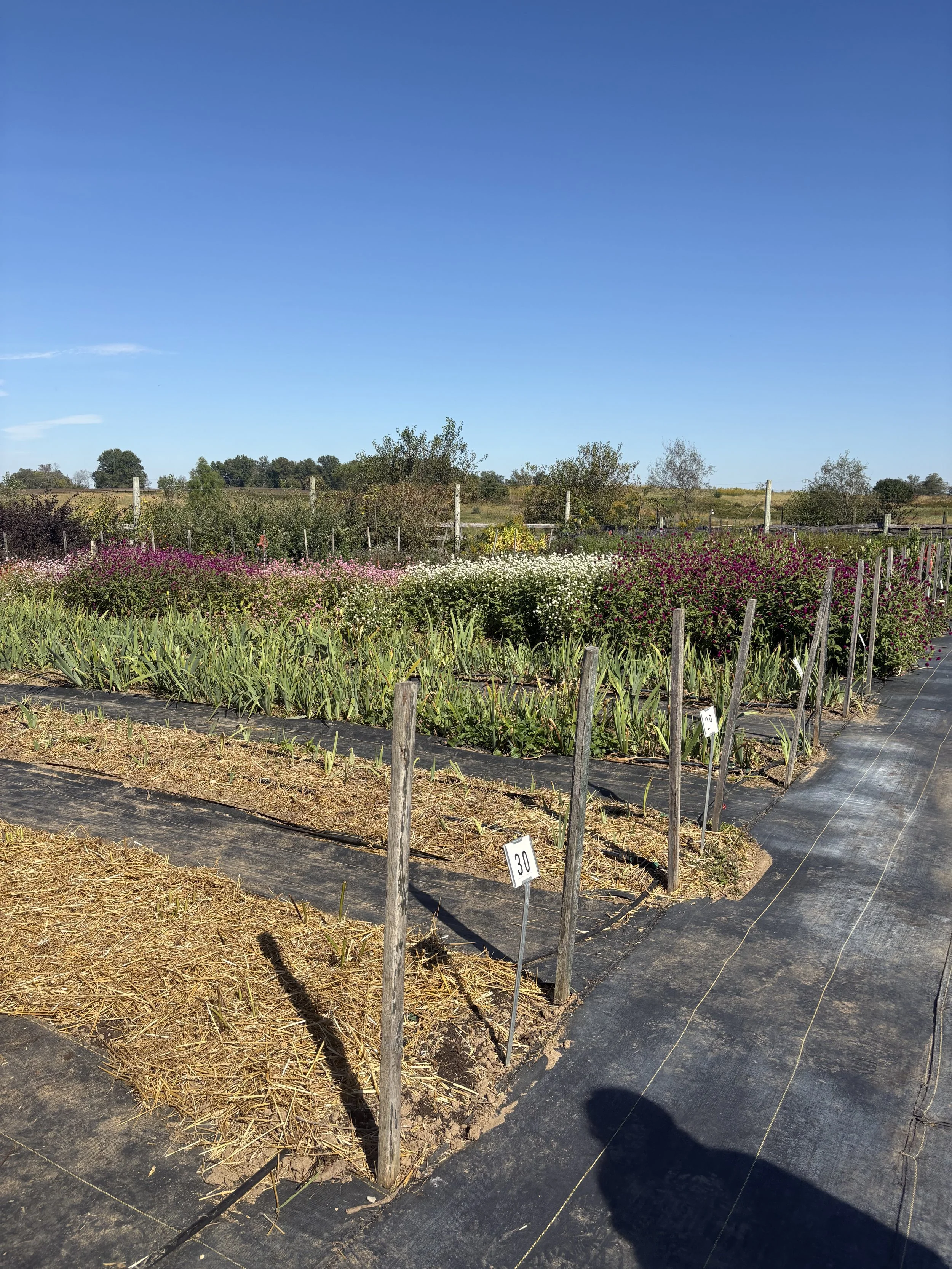
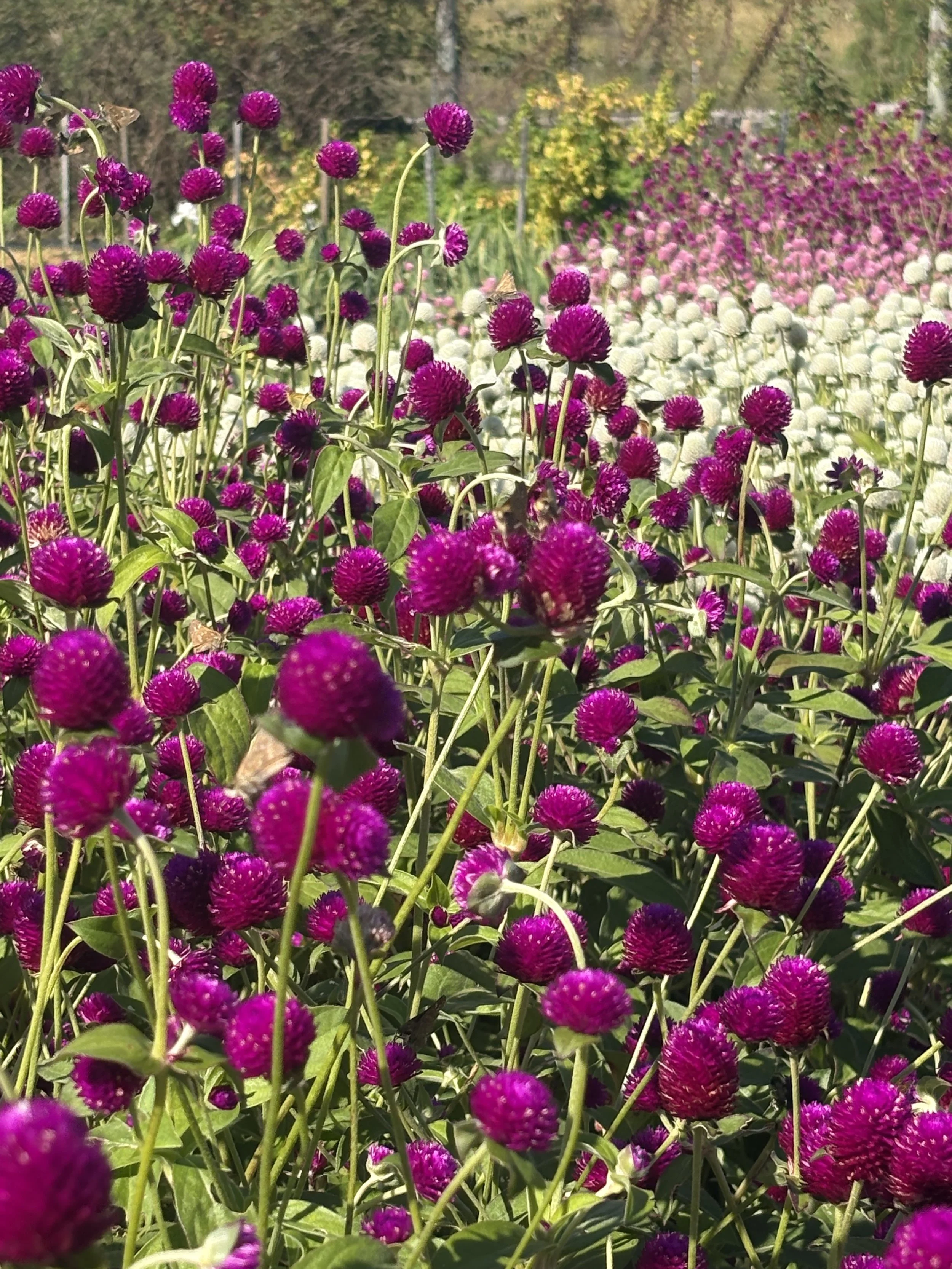
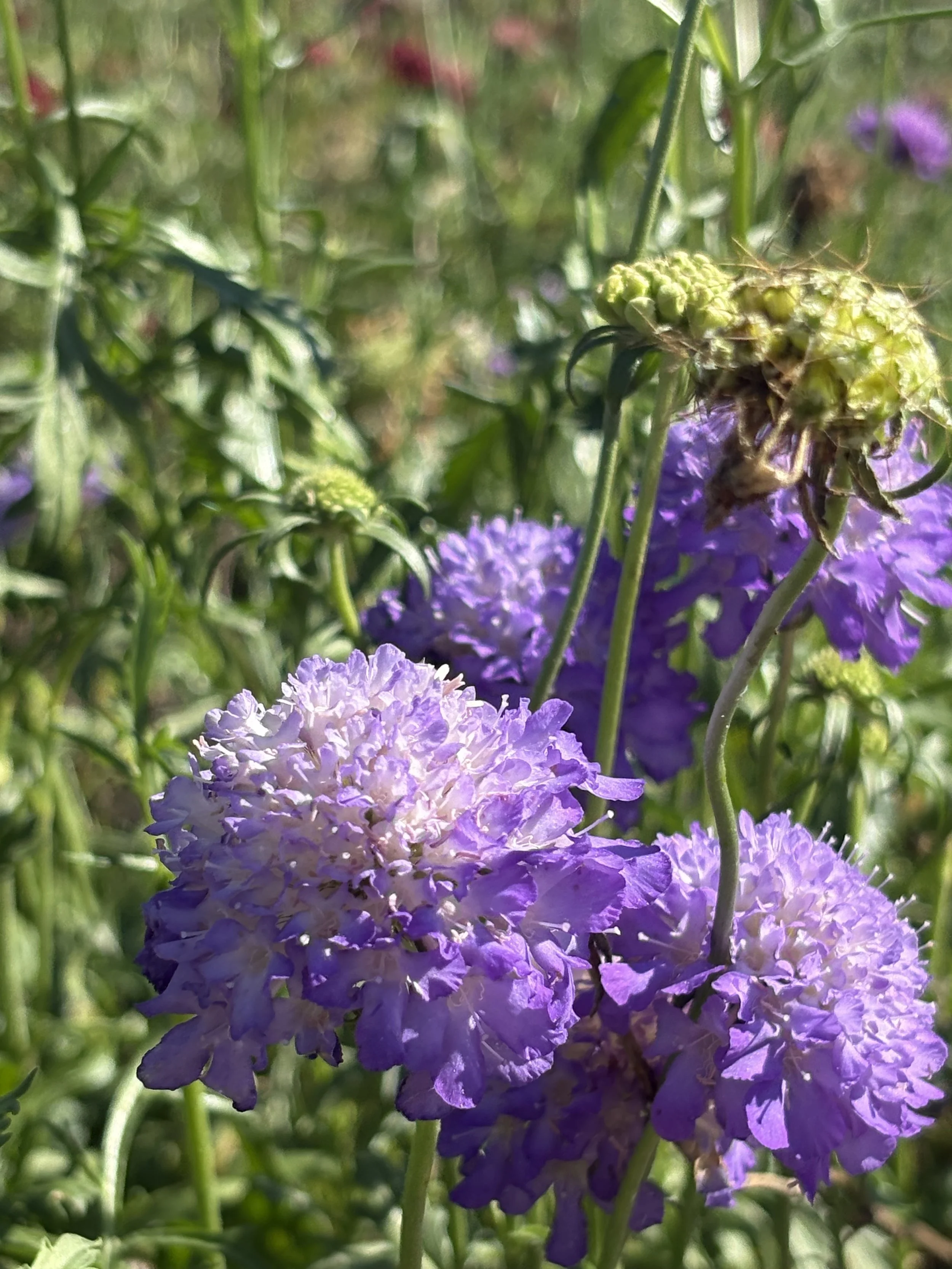
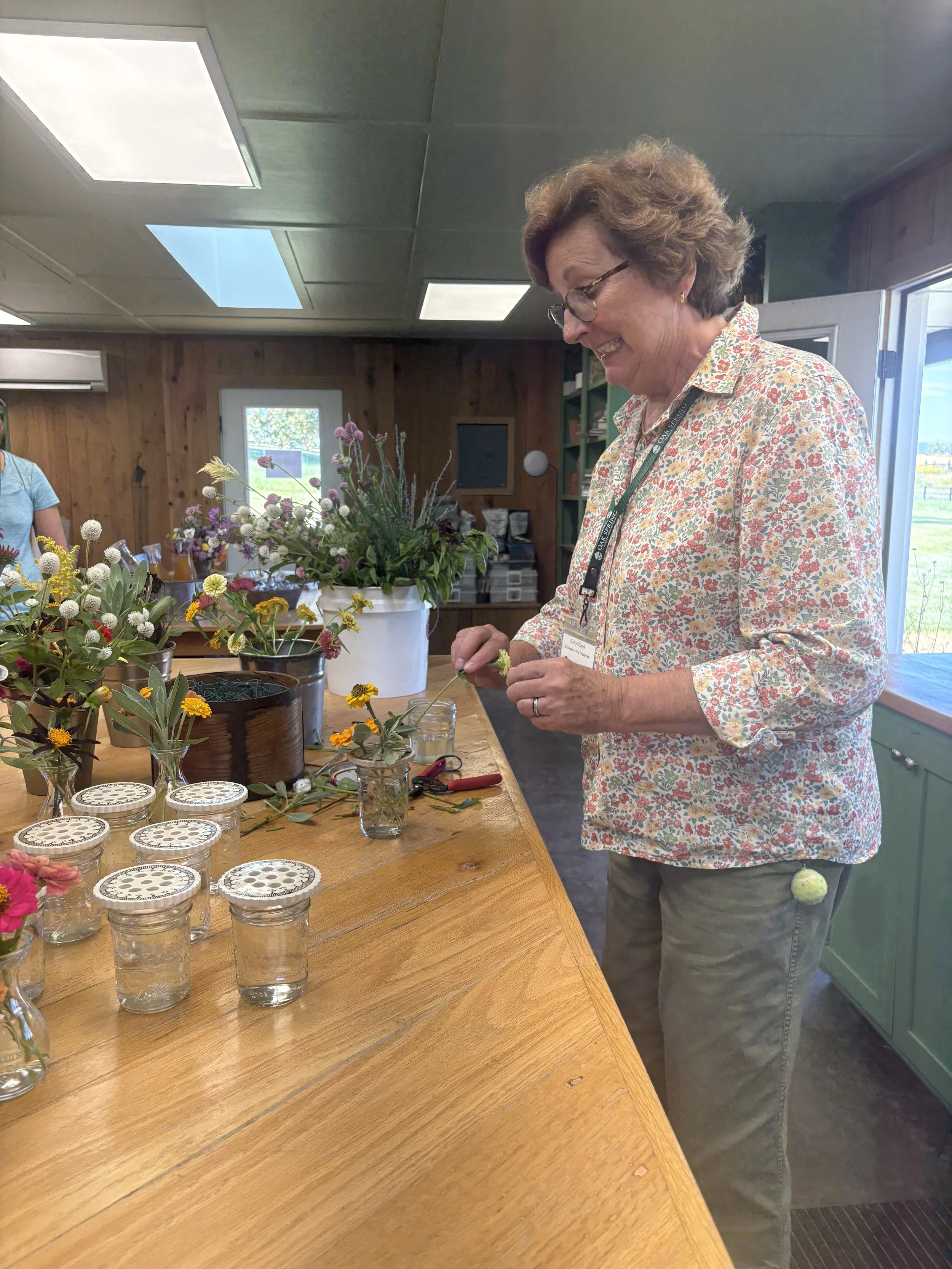
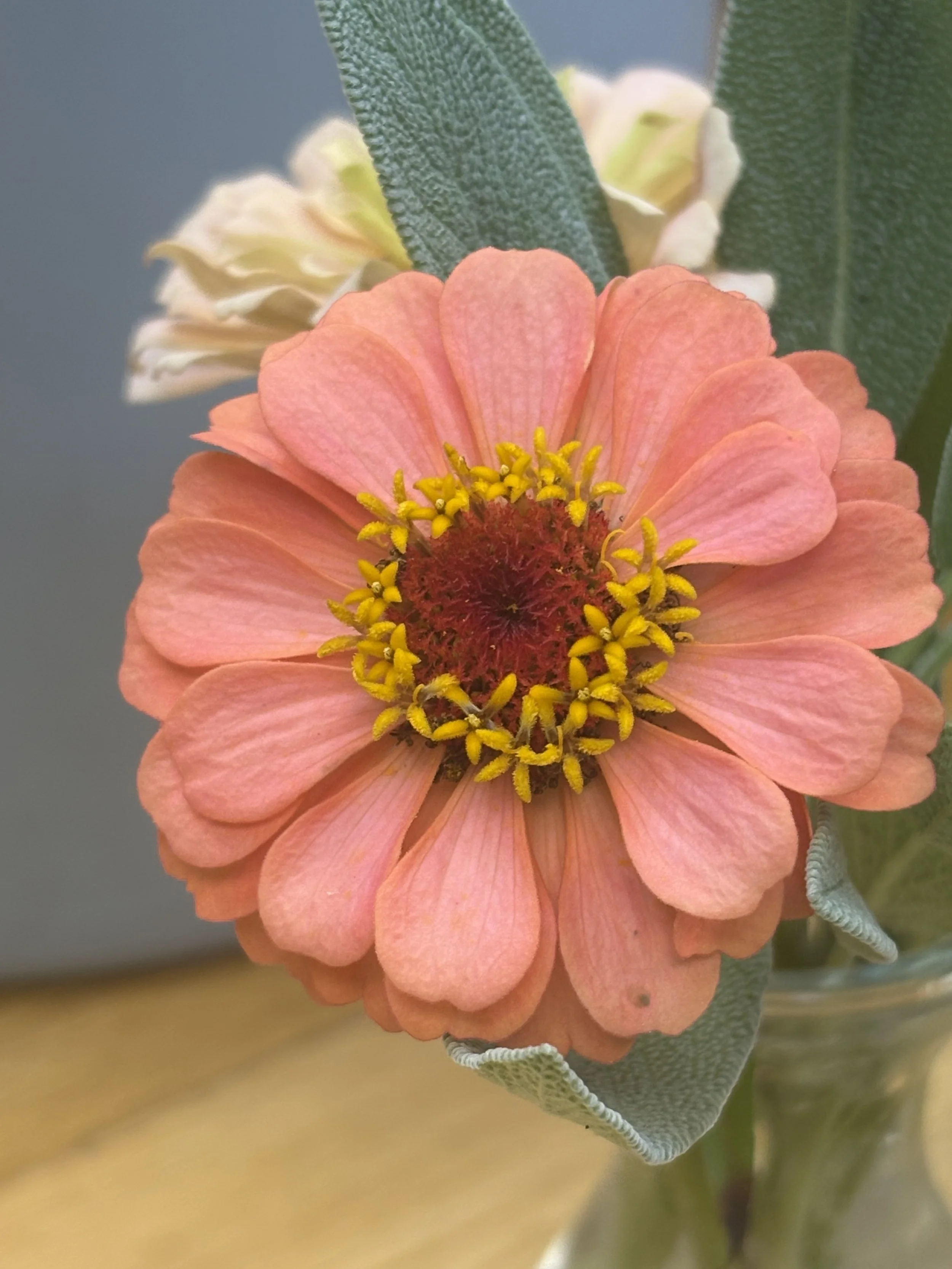
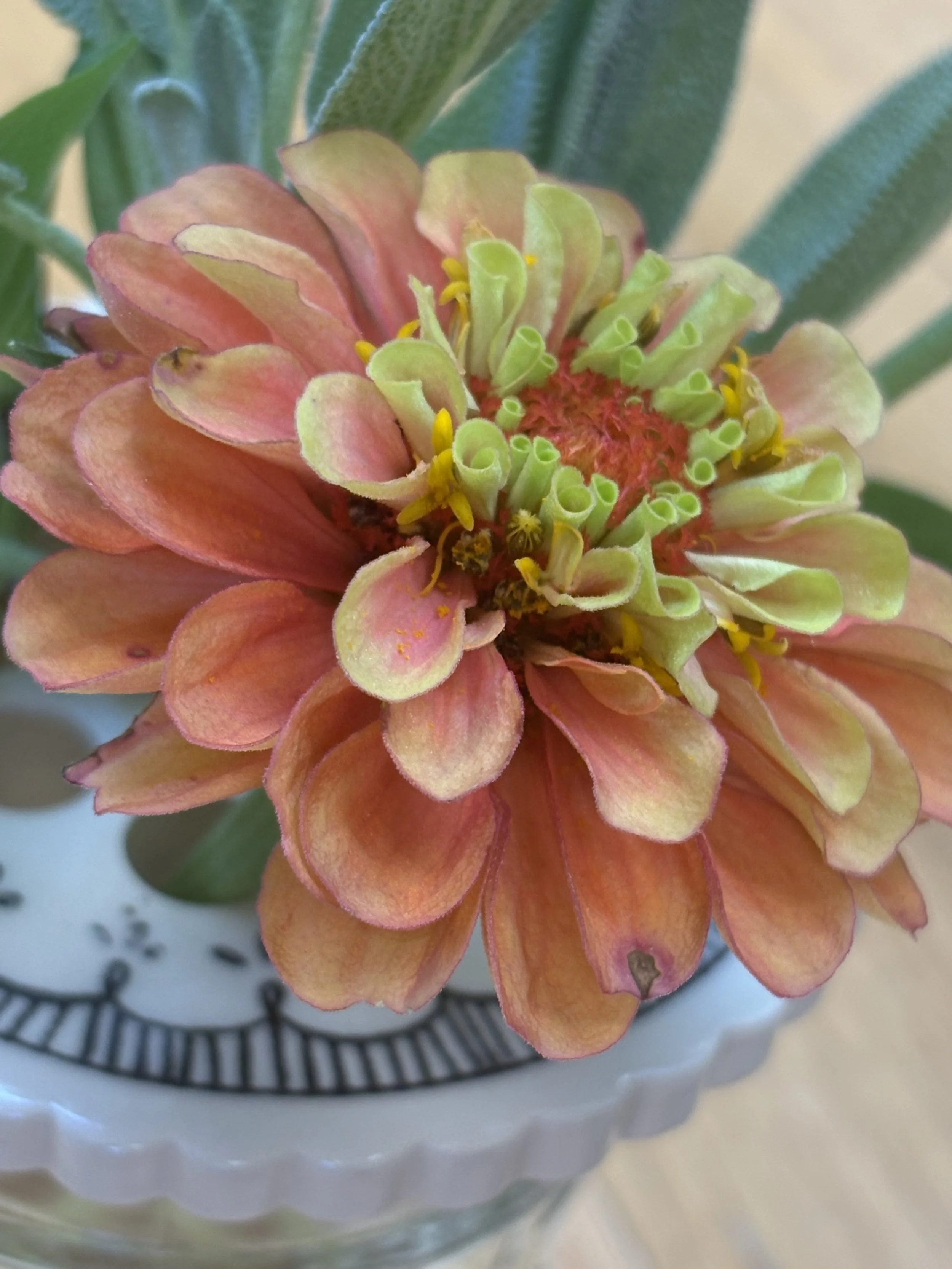
The cut flower garden was in the middle of a transition. Beautiful gomphrena and scabiosa were still blooming, while the last of the zinnias had just been harvested. Those zinnias were put to good use in the cut flower demonstration arrangements.
The team was busy cleaning up and putting the beds to rest for winter. They were covering the beds with compost and using a winter sowing method with hardy, cold-tolerant plants. It was a good look at how a working cut flower garden keeps going through the seasons.
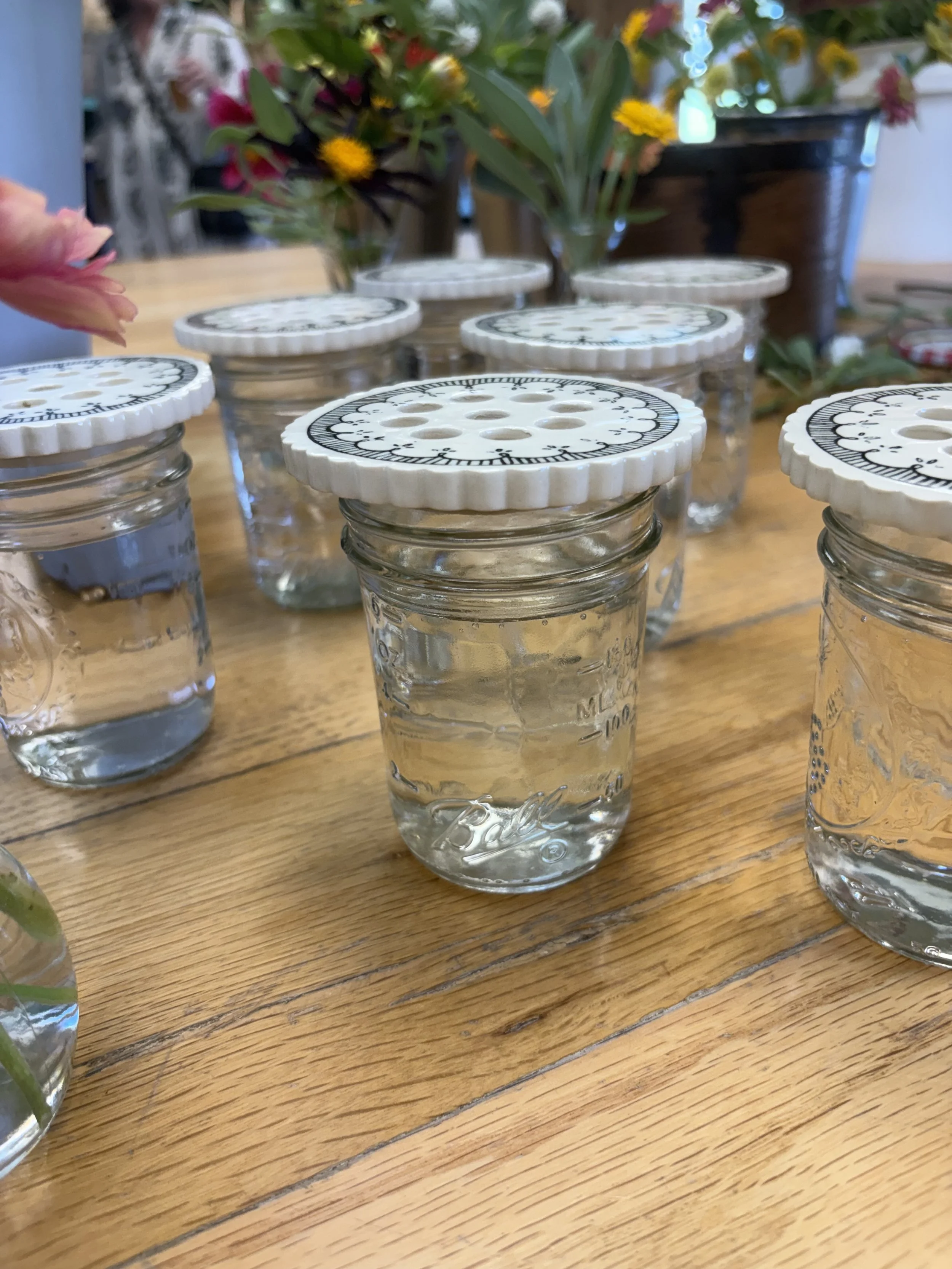
We also watched a flower arranging demonstration, and the details were charming. The arrangements were set in small ball jars, held in place with ceramic flower frogs designed by the arranger herself. The frogs will be available for purchase in the gift shop when it's open during events.
🌱 Dividing Peonies and Siberian Iris
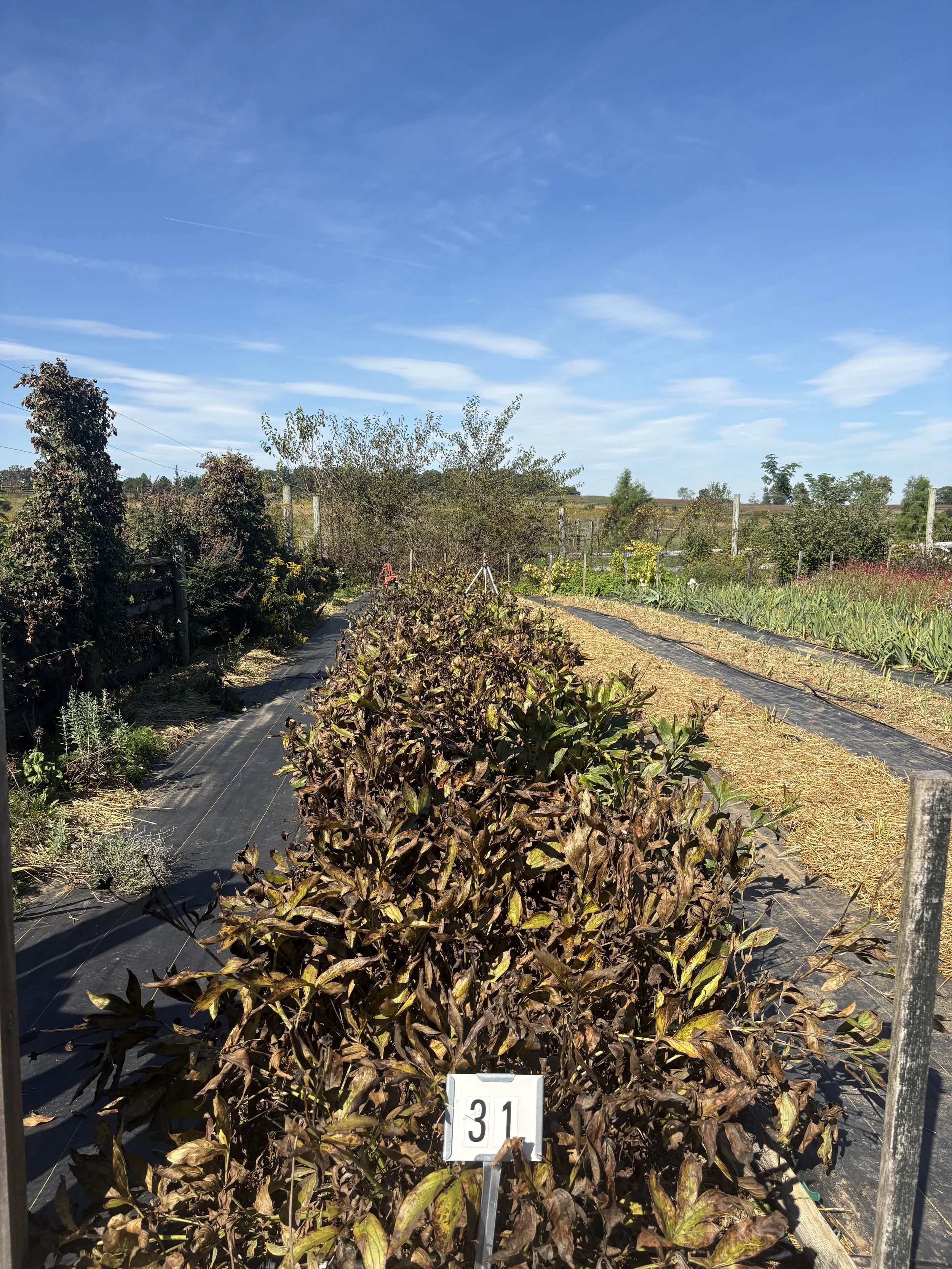
The cut flower garden is also a good place to think about how to keep your best perennials going year after year. We learned how to divide, plant, and care for two garden favorites, and the good news is that both are best divided right now, in the fall.
Peonies (Paeonia)
When to divide: Dig up the mature clump in the fall, from late September through October, after the foliage dies back.
How to divide: Cut the root system into sections, each with 3 to 5 visible buds, also called "eyes."
Planting depth: Plant the roots shallowly, with the top buds sitting no more than 1 to 2 inches below the soil surface.
Why fall: The cool soil lets roots grow before winter sets in.
Potted peonies: If you're planting a potted peony rather than a division, spring is the best time, because you're taking advantage of an already established root system.
Siberian Iris
When to divide: Like peonies, established Siberian iris are best divided in the fall. The best window to divide and plant is early September through late October.
Plant by: Aim to have them in the ground by late October or early November at the very latest. That gives the roots at least 4 to 6 weeks to establish before the ground begins to freeze.
Planting depth: Don't leave the tops of the rhizomes exposed to the sun. Bury them completely under 1 to 2 inches of soil.
Spacing: Plant them 2 feet apart.
Not like bearded iris: Bearded iris are often divided in the high heat of July or August, but Siberian iris do much better when moved during the cooler, moisture-rich days of early autumn.
📅 Visit Oak Spring Yourself
Oak Spring offers garden tours, plant sales, workshops, and more throughout the year. See what's coming up: osgf.org/programs-and-events
💬 Let's Keep Growing
Every visit to Oak Spring sends us home with fresh ideas, and we'll be putting these lessons to work here in our garden at the Corner Store Garden Center. Let us know if you have the chance to attend an of Oak Spring Garden Foundation events. We would love to hear what you learned!
If you’d like to learn more about dividing perennials in the fall, join us on Saturday October 17th for a workshop taught by our own local expert, Barb Levisay. Here’s a link to to sign up for the free workshop.
And as always, keep planting with purpose and joy.